


The Complete Guide to Solar Energy in Kenya: Costs, Benefits, and How to Choose the Right Solar System for Your Home
Introduction
Solar energy has become one of the fastest-growing sources of power in Kenya. With rising electricity costs, frequent power outages, and increased awareness of renewable energy, many homeowners and businesses are investing in solar solutions to reduce energy expenses and gain energy independence.
Kenya is blessed with abundant sunshine throughout the year, making it one of the best locations in Africa for solar power generation. Whether you live in Nairobi, Mombasa, Kisumu, Nakuru, Eldoret, or a remote rural area, solar energy can provide reliable and affordable electricity for your home or business.
This guide explains everything you need to know about solar energy in Kenya, including costs, benefits, components, and how to choose the right solar system.
Why Solar Energy Is Growing in Kenya
The demand for solar energy has increased significantly over the past decade. Several factors contribute to this growth:
- Rising electricity tariffs
- Frequent grid power interruptions
- Increased availability of affordable solar equipment
- Environmental concerns and sustainability goals
- Government support for renewable energy adoption
Today, solar technology is more efficient and affordable than ever before, making it accessible to households and businesses of all sizes.
Key Components of a Solar Power System
A complete solar system consists of several components working together.
Solar Panels
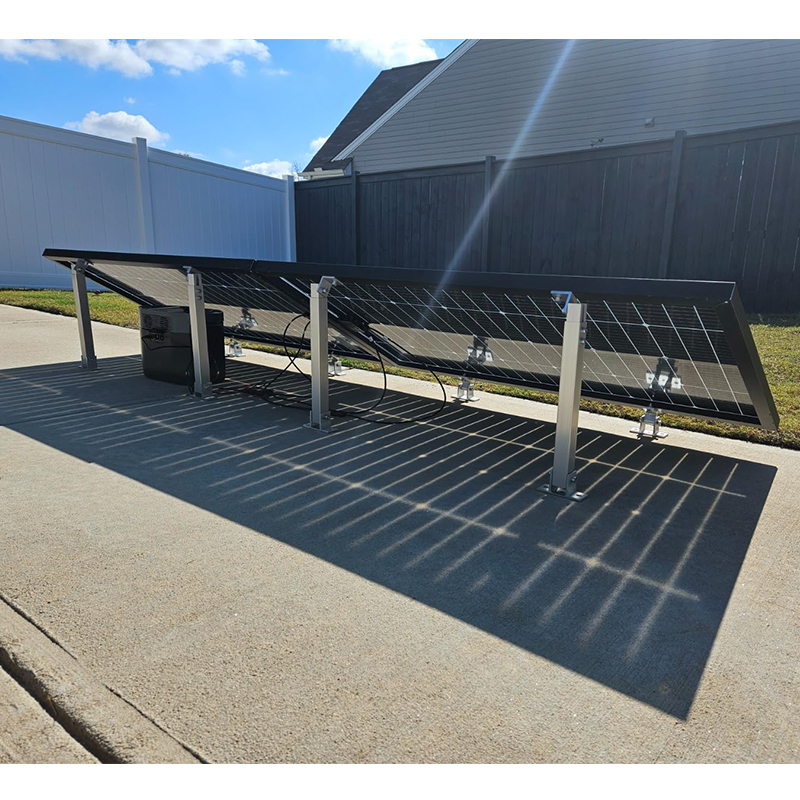
Solar panels capture sunlight and convert it into electricity. They are the most visible part of a solar system and determine how much energy can be generated.
Modern monocrystalline solar panels offer high efficiency and excellent performance, even in limited roof space.
Solar Inverter
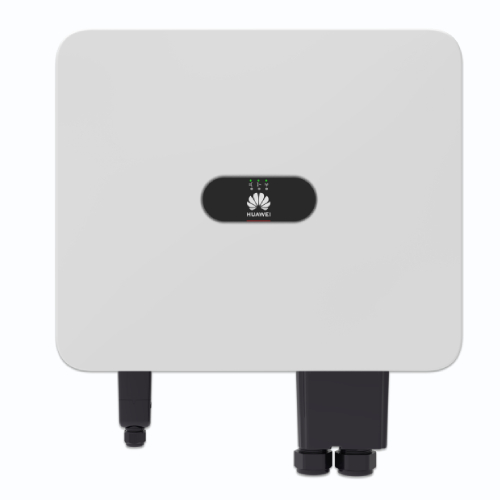
The inverter converts direct current (DC) produced by solar panels into alternating current (AC), which powers household appliances.
Popular options include:
- Hybrid solar inverters
- Off-grid inverters
- Grid-tied inverters
Hybrid inverters are becoming increasingly popular because they can work with batteries and the utility grid simultaneously.
Solar Batteries
Solar batteries store excess electricity generated during the day for use at night or during blackouts.
Lithium batteries have become the preferred choice due to:
- Longer lifespan
- Faster charging
- Higher efficiency
- Lower maintenance requirements
Mounting Structures and Accessories
Mounting systems securely hold solar panels in place and ensure optimal exposure to sunlight.
Benefits of Installing Solar Power
Lower Electricity Bills
One of the biggest advantages of solar energy is reducing monthly electricity expenses. Depending on system size, homeowners can cut electricity bills significantly.
Reliable Backup Power
Solar systems with battery storage provide uninterrupted power during outages, keeping essential appliances running.
Increased Property Value
Properties equipped with solar systems are often more attractive to buyers due to lower operating costs.
Environmental Benefits
Solar power reduces reliance on fossil fuels and lowers carbon emissions, contributing to a cleaner environment.
Energy Independence
Producing your own electricity means less dependence on utility providers and protection from future tariff increases.
How Much Does Solar Installation Cost in Kenya?
The cost depends on several factors:
- Energy consumption
- Number of solar panels required
- Battery capacity
- Type of inverter
- Installation complexity
Small residential systems are suitable for lighting, television, and charging devices, while larger systems can power refrigerators, pumps, water heaters, and entire homes.
The best approach is to conduct an energy assessment before purchasing equipment.
Choosing the Right Solar System
Assess Your Energy Needs
Start by identifying:
- Monthly electricity consumption
- Appliances you want to power
- Number of hours backup power is required
Consider Future Expansion
Choose a system that can accommodate future energy needs such as electric cooking appliances, water pumps, or additional rooms.
Select High-Quality Equipment
Investing in quality components provides better performance and lower maintenance costs over the long term.
Work with Experienced Professionals
Proper system design and installation significantly affect performance and lifespan.
Solar Solutions for Different Applications
Residential Homes
Solar systems can power lighting, entertainment systems, refrigerators, internet routers, and security systems.
Businesses
Businesses benefit from reduced operating costs and uninterrupted productivity during power outages.
Schools and Institutions
Solar energy provides reliable electricity for classrooms, laboratories, and administrative offices.
Agriculture
Solar water pumps and borehole systems help farmers reduce fuel and electricity costs while improving irrigation efficiency.
Why Choose Solar Wise East Africa?
Solar Wise East Africa provides comprehensive solar solutions tailored to residential, commercial, and industrial customers.
Our products include:
- Solar panels
- Hybrid solar inverters
- Lithium batteries
- Solar water heaters
- Solar water pumps
- Borehole drilling services
- Solar accessories and mounting structures
With experienced technicians, quality products, competitive pricing, and after-sales support, we help customers maximize their return on investment.
Conclusion
Solar energy is no longer the future—it is the present. With abundant sunshine, improving technology, and rising electricity costs, investing in solar power is one of the smartest decisions Kenyan homeowners and businesses can make.
Whether you need a small backup system or a complete off-grid solution, Solar Wise East Africa can help you find the right system to meet your energy needs while reducing costs and increasing reliability.
Contact us today to start your journey toward clean, affordable, and sustainable energy.

lainey
All Author Posts
