


Picture this: It’s 7 PM in Nairobi. You’re finishing up dinner with the family when the lights go out. Again. The fridge hums to silence, the Wi-Fi dies, and the kids groan about their unfinished homework. But just down the road, your neighbour’s home glows steadily. They’re watching the news, the fridge is cold, and life continues uninterrupted. What’s their secret? It’s not magic, it’s a well-chosen solar inverter, the quiet hero at the heart of their solar system.
Hi there, I’m Sarah from Solar Wise. I’ve been helping families across East Africa find their energy independence since we started back in 2012. Over chai in living rooms and consultations in small business offices, I’ve learned that choosing an inverter feels overwhelming. You’re not buying a gadget; you’re choosing peace of mind for your family. Let’s walk through this together.
Getting to Know the “Brain” of Your Solar System
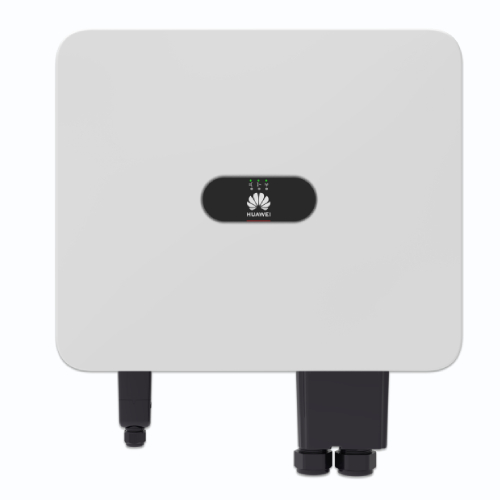
Think of your solar panels as diligent workers harvesting sunlight all day. They collect raw energy (DC power), but your home speaks a different language (AC power). The inverter is the translator. It takes that raw sunshine and turns it into something your TV, fridge, and phone charger can actually use.
But more than that, it’s the system’s brain. It decides where energy should go – powering your lights now, charging your batteries for later, or even sending extra back to the grid if that’s your setup. It’s what makes solar energy feel seamless.
Let’s Find Your Inverter Personality
Just like families, no two energy needs are the same. Here’s how we match character to need:
The “Budget-Savvy City Dweller” (String Inverter)
-
Who it’s for: You live in Nairobi, Kisumu, or Mombasa with fairly regular (though sometimes annoying) grid power. Your main goal is slashing that KPLC bill, not necessarily full backup.
-
How it works: It’s the team player, all your panels connect together to one central unit. Simple, reliable, and cost-effective.
-
Real talk: Great value, but like a single string of Christmas lights, if one panel gets shaded, the whole chain’s performance dips a bit. Perfect for sun-drenched, unshaded roofs.
The “Peace-of-Mind Parent” (Hybrid Inverter – Our Most Popular!)
-
Who it’s for: You’re tired of power cuts disrupting dinner, work, and your sanity. You want savings and security. You might be running a home business, have medical equipment, or just value a calm, uninterrupted home.
-
How it works: This is the smart planner. It juggles solar, battery, and grid power seamlessly. Power goes out? It switches to battery so fast your lights barely flicker. It can even run on battery during expensive peak tariff hours to save you more.
-
Sarah’s story: I helped a young family in Kitengela install one last year. The mum, a freelance graphic designer, told me, “Now when the grid goes, I don’t panic. I just keep working. It’s changed my whole relationship with ‘harambee’ time.”
The “Independent Spirit” (Off-Grid Inverter)
-
Who it’s for: You’re on a farm in the Rift Valley, a lodge in the Maasai Mara, or a home where the grid is a distant dream. You want complete energy freedom.
-
How it’s different: This is your personal power station manager. It doesn’t even look at the national grid. It focuses entirely on using sun and battery to power your world.
-
Our client Joseph: He runs a small dairy farm outside Nakuru. “Water pumping for the cows, lights for the homestead, chilling the milk—all from the sun. The inverter makes it all work together. It’s liberating,” he shared.
The Questions We Always Ask (You Should Ask Them Too)
When you sit down with us (or any installer), here’s the heart of the conversation:
-
“What happens when the lights go out?” What do you need to keep running? Fridge? Laptop? A few lights? The answer sizes your system.
-
“What’s your typical day look like?” Do you use most energy during the sunny day (great for solar) or at night (you’ll need good batteries)?
-
“What are your dreams for this home?” Planning to add an AC unit or a water pump later? We plan for that now.
A Note from Our Decade in the Sun
We’ve been doing this since 2012. We’ve seen inverters sweat through Mombasa’s humidity and dust storms in Arusha. Here’s our honest advice:
-
Don’t just chase specs. A slightly less powerful but reliable, well-supported brand is better than a “bargain” that leaves you in the dark.
-
Think of it as a relationship. You’ll live with this system for 10+ years. Choose a partner (installer) who offers service, warranty, and a friendly voice on the phone when you have a question.
-
It’s an investment in calm. The real value isn’t just in shillings saved; it’s in homework done without drama, food preserved, and evenings spent in light, not frustration.
Ready to have a real, no-jargon conversation about what your home needs? We’re not just selling inverters; we’re helping build quieter, more resilient homes across East Africa.
Let’s chat about your home’s energy story.

Boni
All Author Posts
